Custom Dock Accessories to Upgrade Your Waterfront Experience

We like to think of docks as the centerpiece of your waterfront. It’s more than just a place to tie up your boat or jump into the water for a swim. You have plenty of options today for total customization. Working with the right accessories can completely transform how you use your space for recreation!

Working Toward a Design That Fits Your Lifestyle

Every great dock begins with a clear plan, and for dock upgrades, you want customization. No two waterfronts are exactly alike, what with varying water activity and shorelines. Not only that, everyone enjoys the water in different ways. You need a design that actually considers how you’re going to use your space throughout the season.

As your interests and needs evolve, your dock should evolve too. Maybe you’ve added a new watercraft or want easier access for kayaking. It could even be that you’re ready for a more functional and inviting layout for entertaining guests. The sky’s the limit. With the right upgrades—and the right team guiding the process—you can turn just about any dock into a fully customized waterfront experience.

At Deaton’s Waterfront Services, we’re here to personalize that conversation. Whether your property is on a lake, river, or pond, our team takes the time to understand your goals, your layout, and any challenges that might be present along your shoreline. We’re happy to schedule a time to meet in-person, and sometimes we’re even able to offer consultations remotely through video chats.

Once the vision is clear, our design team can bring it all to life with detailed renderings. You’ll be able to see exactly how your dock and accessories will look and function as a cohesive unit before any installation gets underway. With that level of clarity early on, we’re able to give our clients the final result they’ve been dreaming of for their property—and maybe even more!

Expand Your Dock with Modular Accessories

One of the easiest ways to upgrade your waterfront is by expanding your dock layout with modular components. This is where systems like EZ Dock really stand out.

Because of their flexible design, modular docks give you the option to add new sections, reconfigure your layout, or work in new features without starting from scratch. When your family is growing, this type of flexibility is great. You can evolve your layout for your recreational needs, expanding or shifting sections as you see fit. You aren’t locked into one layout with a modular dock system, so you always have the freedom to adapt over time.

Make Launching Easier with User-Friendly Add-Ons

Convenience plays a big role in how often you actually use your waterfront. For example, if you’ve recently purchased a new kayak, paddleboard, or personal watercraft, you’ll be able to get the right dock accessories installed to make enjoying the water even easier. It’s about designing a site for safer, quicker launching and docking.

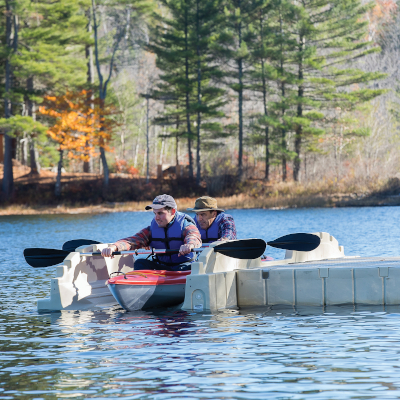
For paddlers, upgrading to a dedicated launch system can make a huge difference. We like recommending EZ Dock because they’ve created features designed specifically for kayaks and canoes. Their systems are built for better stability and easy entry, which is great for beginners or anyone looking for a more secure experience on the water.

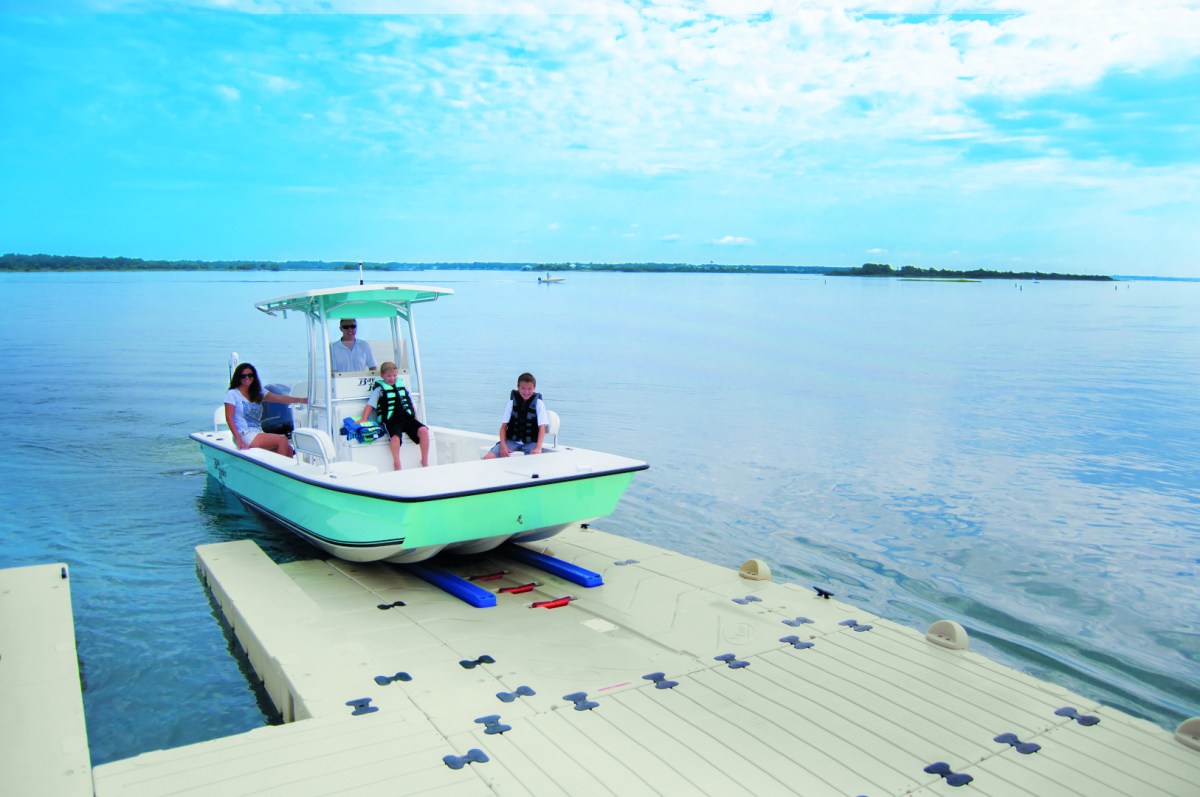
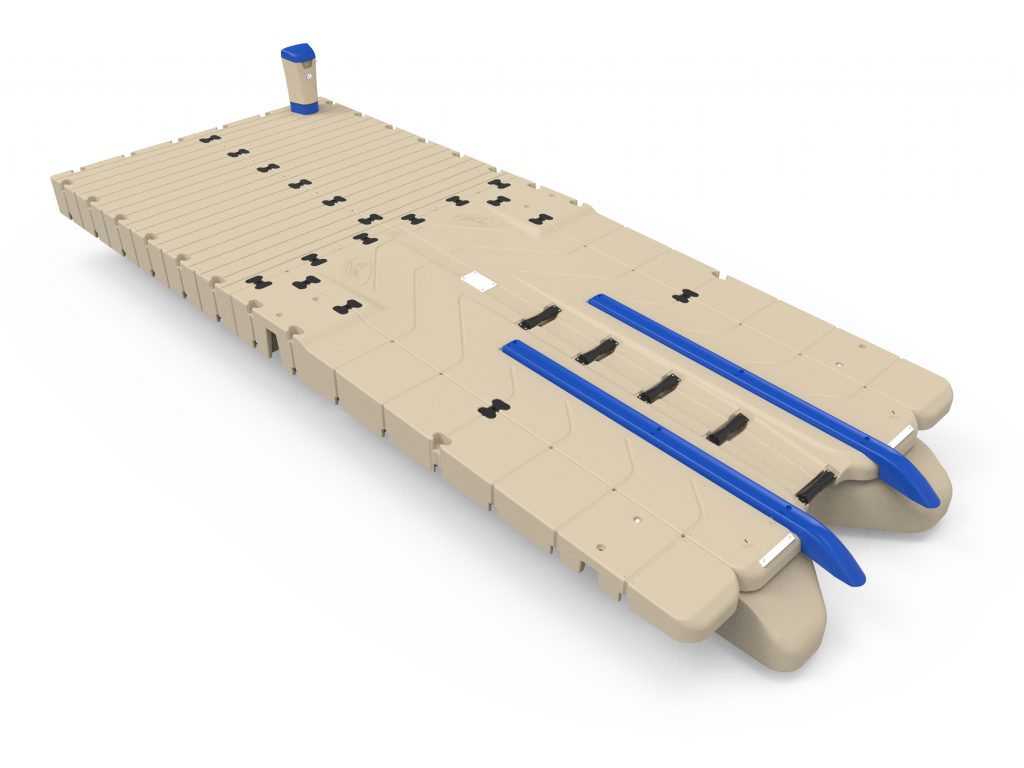
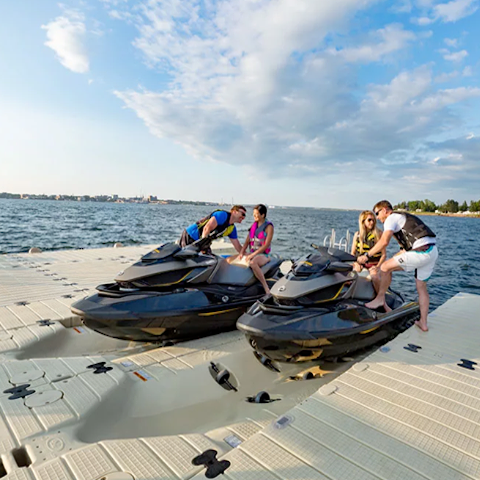
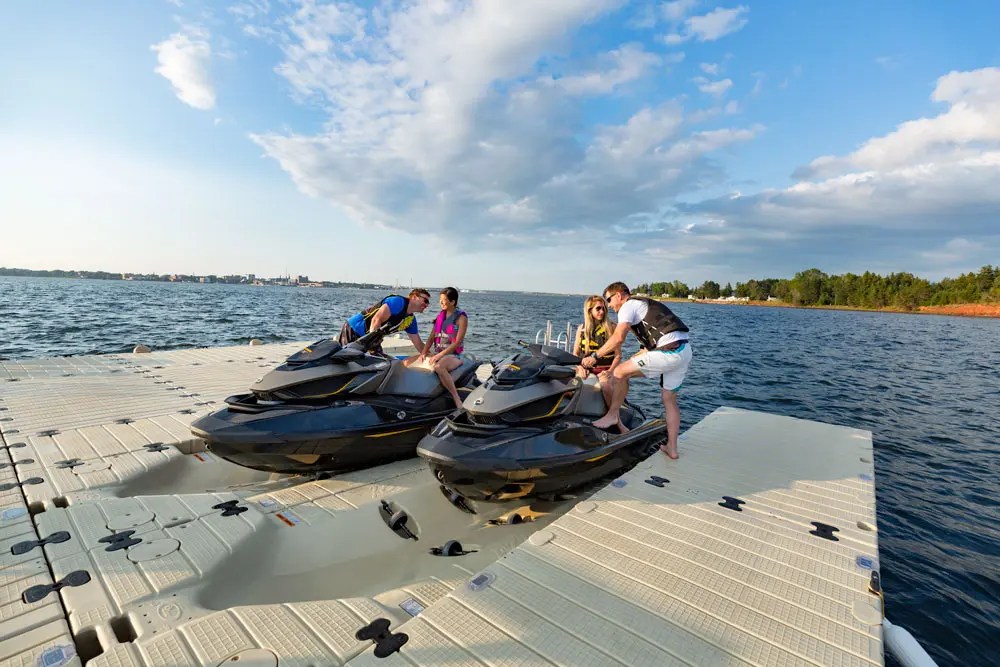
If you’ve added a jet ski or plan to, there are also drive-on docking solutions. EZ Port works to get you in and out of the water without the hassle of lifting or winching. The system moves with the water level, too. Then you’re always able to get out and ride.

Protect Your Investment with the Right Boat Lift

A boat lift is one of the smartest additions you can make when you want to extend the life of your watercraft. Keeping your boat out of the water when you’re not using it and soaking up the sun will help reduce wear from any waves, debris in the water, and just general, long-term exposure. It also makes launching and docking more convenient!

At Deaton’s Waterfront Services, we work with a range of trusted lift options, including floating and stationary systems. Our goal is to match your water depth and shoreline conditions, with your boat specifications for a true long-term solution. We’re proud to partner with brands like Poly Lift, Roto Lift, and Sunstream, and we can work with you to determine what works best for your setup. Even if your dock wasn’t originally designed with a lift in mind, you still have options we can explore!

A Process Built Around Communication and Clarity

From the initial consultation to final installation, our team makes it a point to communicate clearly and give close attention to all the details of your unique dock. Because it’s not just about choosing great products—you also need a solid process for your project.

At Deaton’s Waterfront Services, every project is approached with that mindset. You’ll know what to expect at each stage, with early design concepts and detailed quotes that outline the materials and install costs. With the right accessories and a thoughtful design approach, you can create a space that’s functional, flexible, and built for everything you want to do!
Spring Dock Checklist to Get Your Waterfront Ready for Boating Season

When the temperatures start rising again and we say so-long to winter, that means it’s time to do a little prep work around your waterfront. If you’re going to enjoy your dock right away, everything needs to be in good shape!

An Easy Checklist for a Great Season

The cold weather, fluctuating water levels, and ice from winter can cause problems around your waterfront that may not be noticeable right away. That’s why it’s important to take a little time for a spring inspection. You want your dock to be safe and functional for the months ahead. Here’s our best advice to stay in the clear.

1. Start with the Dock Anchoring

The first step is easy. We always recommend walking the entire structure of your dock at the first sign of spring. You want to look for any wear or damage that might have happened during winter, like connections getting loose or shifting dock sections. The decking should feel secure and stable. If things seem off, you might want to call on our team. A dock is only as reliable as its anchoring system. Catching small issues early can help you avoid larger repairs later on in the season.

2. Inspect Any Dock Accessories

Spring also needs to be the time for you to check out the equipment connected to your dock. If you have a boat lift, kayak launch, or swim platform farther out, be sure to take a minute to run through a quick inspection. You can look for signs of corrosion or loose components, and then figure out a time to get things fixed before the season really gets underway.

3. Quickly Clean Up Your Dock

Over the course of winter, a lot of docks can get covered up with leaves and algae. A little cleaning will get things looking good again, and can also help with safety. Wash off your dock to get rid of any slippery buildup and extend the life of your decking.

4. Evaluate Your Shoreline

Your shoreline probably experienced some changes in water levels during the winter months, and there might be some general erosion issues that need attention. Look for signs of soil loss or shifting riprap, and confirm that you don’t have any seawall sections getting weak. Making repairs early can keep your shoreline from any extra damage that might come when the boat traffic picks up during summer.

5. Make Sure Your Dock Layout Still Meets Your Needs

Maybe your family is growing or you’re exploring some new recreational activities. That might mean you’re ready to make some upgrades! Adding an extra slip, easier kayak access, better swim areas, or a new space for entertaining could be great for getting the most out of your waterfront. You can always talk with us about making some expansions or reconfiguring your layout this spring. Just drop us a line!

Partner with Deaton’s Waterfront Services for Dock Repairs and Upgrades

At Deaton’s Waterfront Services, we work with homeowners, marinas, and municipalities throughout the Midwest to keep their waterfront structures safe and functional for the long-run. From dock inspections and layout adjustments, to new installations and shoreline improvements, we bring decades of marine construction experience to every project.

If it looks like it’s time for some repairs or upgrades after your spring inspection, our team is here to help. We’ll work with you to evaluate your options and create a plan that works for your goals and budget. It all starts with a quick consultation. Contact us today!

Public Floating Walkways vs Traditional Boardwalks—Which Is Right for Your Site?

Public access to the water is a major draw for communities. Lakeside parks and riverwalks are always a crowd favorite. Then there are marinas which have a need for easy access and seamless walkways. When municipalities look to expand or revitalize these spaces, they’re faced with the choice between floating walkways and traditional fixed. Both options provide scenic paths along the shoreline, but they have some key differences. Their long-term performance and maintenance needs don’t compare—and the level of accessibility can vary dramatically depending on your site conditions.

For projects that have changing water levels or sensitive shorelines, a floating walkway system is usually the way to go. It’s a great way to get the best balance of flexibility and durability for public safety.

Floating Walkway Benefits for Public Parks and Marinas

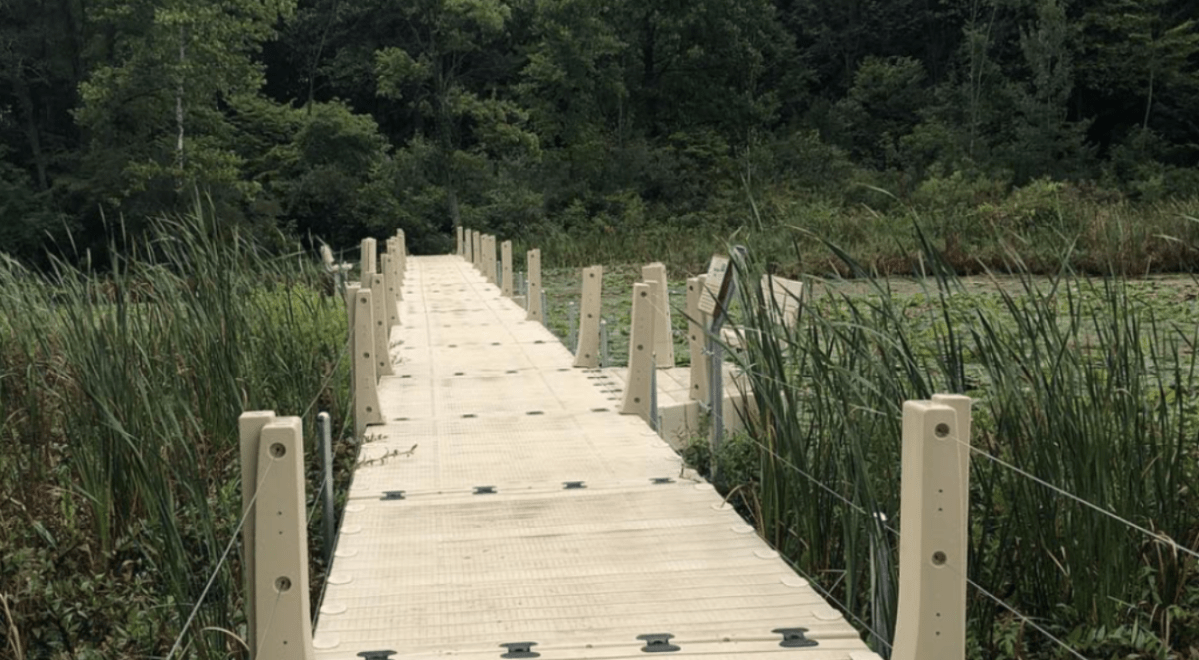
Floating walkways are designed to move with the water. This makes them ideal for lakes, reservoirs, and marinas where levels rise and fall throughout the year. Fixed boardwalks require piles and deep foundation work. This can harm the local environment and be costly. Floating systems, on the other hand, can adapt naturally to changing conditions. What’s more, they’re stable and cost-effective. It’s the perfect solution for protecting your investment while providing convenient access.

1. Year-Round Stability

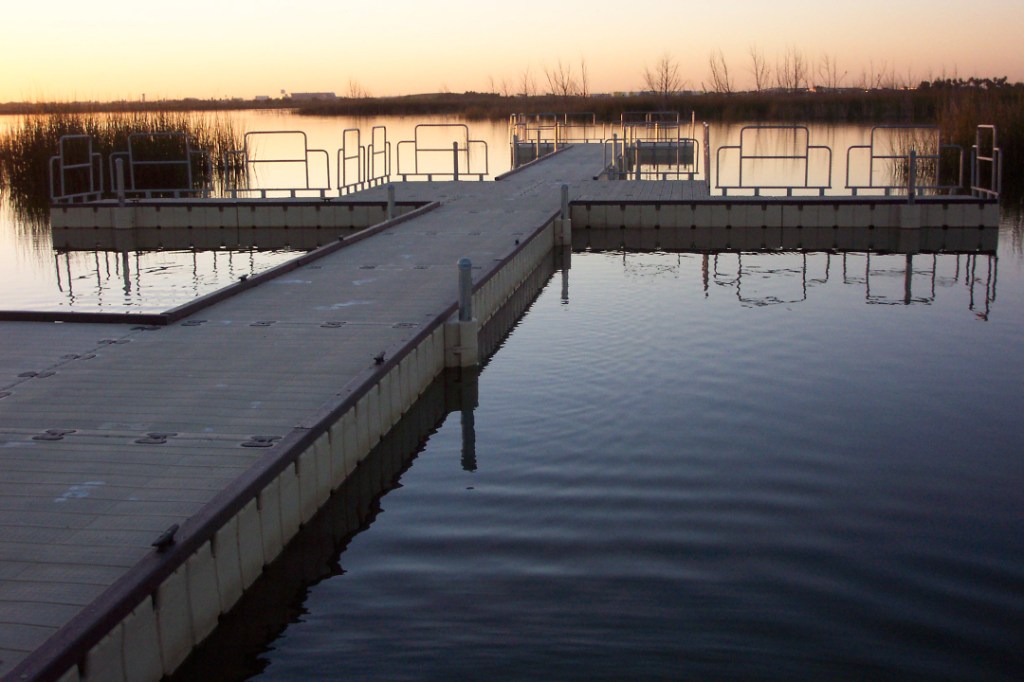
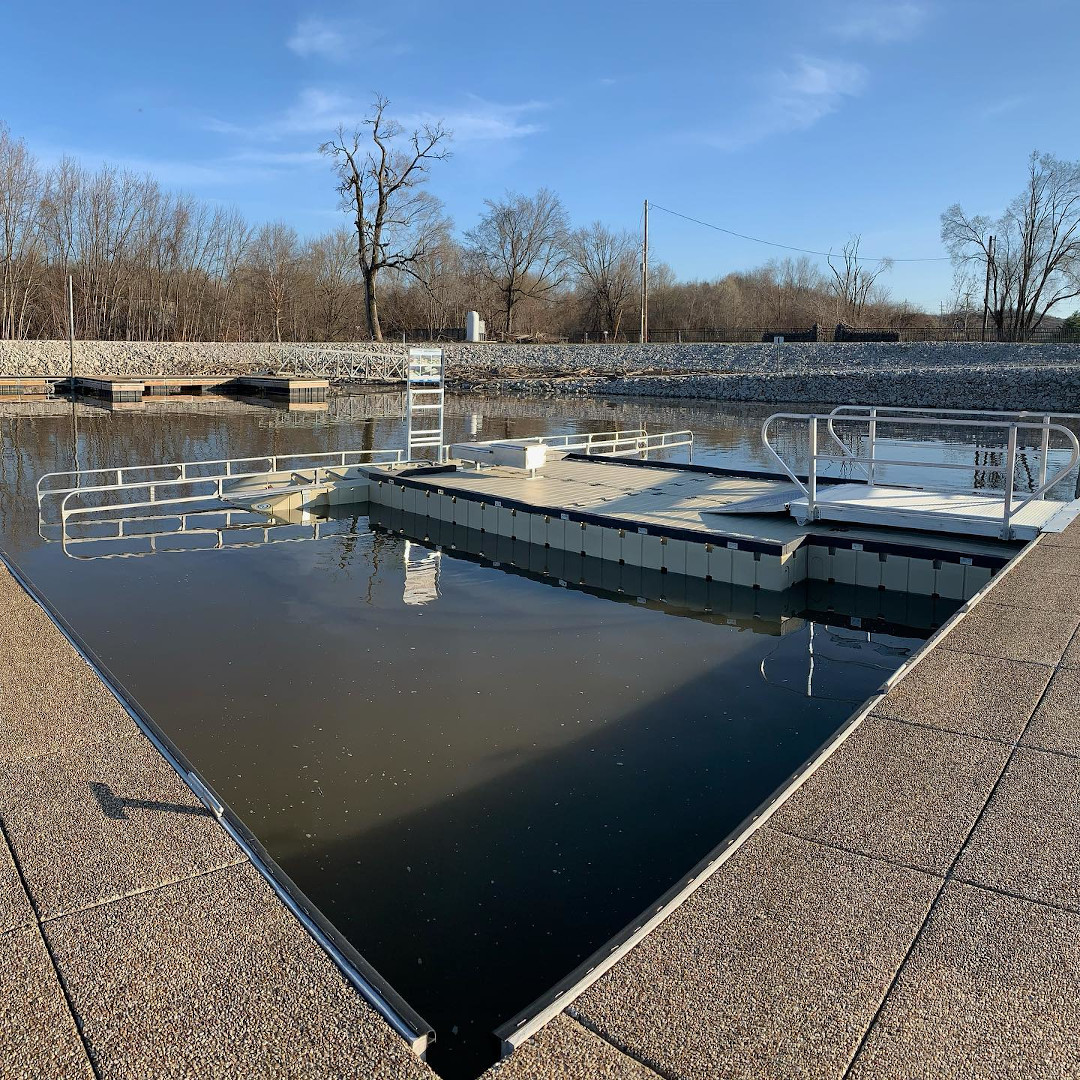
Floating walkways deliver stability and durability even during seasonal water fluctuations. They can also stand up to heavy pedestrian traffic. What makes them so great is that the surface height automatically adjusts with water levels. That way, you’re able to ensure year-round ADA accessibility and comfortable travel for everyone. There’s no need to have steep ramps, and you can reduce the risk of trip hazards when you have the right system, like EZ Dock.

2. Lower Environmental Impact

Floating systems minimize shoreline disruption. This is great for protected environments and nature lovers. You don’t need to worry about having deep foundations or pile driving, which can harm aquatic habitats. Floating systems are better because they blend in with the local environs. The boards rest on the water. This also makes them easy to inspect and repair. Plus, the materials won’t be subject to corrosion or rot. You can reduce repair costs and feel good knowing that you’ll have a long lifespan for your project after installation.

3. Flexible Layouts

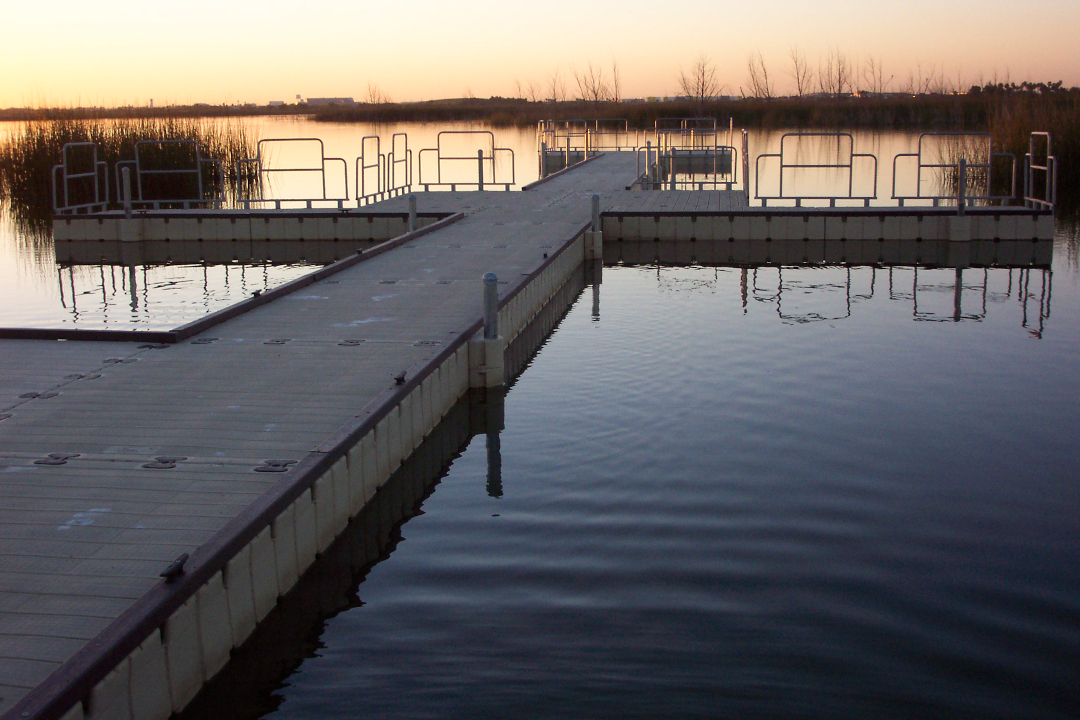
Floating walkways give you options. The modular designs allow for curves, loops, or extensions over time. It’s easy to expand a waterfront trail or connect to fishing piers and boat launches. For parks, marinas, or nature preserves, this flexibility can mean safer access and better views. And it’s all with a lower overall environmental footprint compared to a traditional boardwalk.

We Help Municipalities Enhance Recreation—Let’s Connect!

At Deaton’s Waterfront Services, we help communities design and build custom floating walkway systems that prioritize sustainability and safety. That way, it’s green for your site and available for all walks of life. We’re all about turnkey solutions that make the process simple and efficient. We’ll be with you from the initial designs all the way through installation.

Whether you’re upgrading an existing waterfront path or adding a new recreational feature, Deaton’s can help you evaluate your site. Let us work with you to recommend the best system for long-term performance. Together, we’ll set you up with a walkway that can welcome visitors year-round, all while protecting your environment. Let’s get started to enhance your community’s connection to the water. Send us a message today!

Designing ADA-Compliant Fishing Piers That Everyone Can Enjoy

Public waterfronts are meant to bring people together—and that includes making sure everyone can participate, regardless of mobility level or physical ability. That’s where ADA-compliant fishing piers come into play. Whether it’s for a community park, nature preserve, or recreational area, ADA-compliant fishing piers make sure that all visitors can enjoy the activities on the water. We’re passionate about designing the best solutions for sites. With the right setup, you get functionality and durability. It’s all about creating a space that serves everyone in the community.

The Importance of Accessibility in Public Waterfront Projects

Accessibility isn’t about more than just compliance. It’s about building connections with the public. Not everyone can use sites in the same way, but with ADA-compliant setups, there are more options for the people who need them. When a city or organization invests in an ADA fishing pier, they’re investing in shared experiences and equal opportunity. These spaces invite everyone to enjoy the water. Whether it’s lifelong anglers or first-time visitors, having an accessible area is key.

Building accessible waterfront infrastructure shows a commitment to inclusivity and community well-being. ADA-compliant designs allow individuals using wheelchairs, walkers, or other mobility devices—even strollers!—to safely reach and use the pier. The social benefits are clear. But more than that, the upgrades enhance long-term value for the park. You’re living up to federal accessibility standards and reducing liability. What’s more, you’re able to position yourself in for new grant and funding opportunities for public projects. Recipients of funds usually need to be able to demonstrate that they’re serving everyone in the general public. ADA designs do exactly that.

Top Features to Include in an ADA Fishing Pier Design

Creating an ADA fishing pier starts with thoughtful planning and attention to detail. To meet ADA standards, we have to consider slope and maneuvering space. From there, it’s about handrails and having the right surface materials. EZ Dock keeps it simple with modular designs that are durable and slip-resistant.

Working with an experienced waterfront services company will allow municipalities to have the proper slope and transition for their site. Because it’s not just about the fishing pier. They also need to provide access to the right spot! You need smooth transitions from shore to the dock. We can help.

You also need to pay attention to edge protection and stability. Floating piers need the right buoyancy and anchoring systems to remain stable as water levels change. Our expertise working with EZ Dock systems can give your site everything it needs to stay compliant.

Partner with Deaton’s to Build Your ADA-Compliant Fishing Pier!

Whether you’re planning a new installation or upgrading an existing pier, partnering with a knowledgeable marine construction team makes all the difference. Deaton’s Waterfront Services understands the unique requirements for ADA-compliant fishing piers and other public waterfront structures. That’s why we’re the ones to call! Our team manages everything—from site evaluation to custom design and installation—so your project stays compliant, durable, and inviting for years to come.

Fall and winter are some of the best times for planning, so now is the perfect opportunity to get ahead of next year’s construction season. By starting early, you can finalize designs, secure approvals, and be ready to build when the weather warms up. Partner with Deaton’s, and you’ll be building more than a fishing pier—you can create a welcoming destination that everyone can enjoy.

Top Mistakes to Avoid When Building a New Dock or Seawall

Building a new dock or seawall is a major investment—and one that plays a big role in how you enjoy and protect your waterfront property. But not all projects start out on the right foot. Without the right planning and expertise, you might end up with costly repairs and structural damage down the line. Understanding the most common mistakes can help you make an informed decision about the type of waterfront services contractor you need to get the most value from your build.

Potential Setbacks with New Waterfront Projects

Whether you’re dreaming of a private dock for your family or a sturdy seawall to protect against erosion, there are many variables at play with waterfront projects. Every site is different, and overlooking even one detail can lead to problems. After all, it’s not just about picking materials and a layout—it’s about adapting those choices to your specific shoreline and future goals.

1. Skipping the Site Evaluation

It might seem tempting to jump straight into your design, but skipping a proper site evaluation can create serious setbacks. For example, factors like water depth, soil composition, wave action, and shoreline slope all influence the stability of a seawall or riprap barrier. Without this analysis, you could end up with a faulty final product.

What’s more, you don’t want a dock that shifts, sinks, or breaks down. A professional evaluation is always the first step in a successful build. And that starts with getting a detailed understanding about your waterfront.

2. Underestimated Water Movement and Erosion

Water is constantly in motion—and that movement shapes your shoreline more than you might realize. You have rising and falling lake levels to deal with, not to mention winter ice. These natural forces must be factored into your design. Ignoring them can lead to a seawall that cracks or erodes, or a dock that becomes unusable during part of the year.

The right construction strategy will account for seasonal water changes and long-term shoreline preservation. This is why working with a quality contractor is key.

3. Overlooking Load Capacity and Usage Needs

Docks and seawalls should be built to match how you plan to use them—both now and in the future. There are different needs for docking a large boat and getting a kayak launch. You also have to consider the type of foot traffic you’ll be having.

Your structure needs to support your load. Cutting corners here might not show up right away, but over time, the added stress can lead to wear and tear or a sagging dock. Avoid the structural damage right out of the gate by planning ahead. It’s far better to build for strength from the start.

4. Not Getting a Custom Design

No two waterfronts are the same, which is why custom design is key. A cookie-cutter solution might not account for your property’s slope or dock traffic. Plus, it might limit your options for adding on later.

Thinking through future expansion—like adding a boat lift, extending a dock, or upgrading materials—can help you avoid the headache of major overhauls later. This is also where modular dock solutions, like EZ Dock, come into play. A flexible, site-specific plan keeps your waterfront working for you for years to come.

Go with Deaton’s for a Streamlined Process

At Deaton’s Waterfront Services, we help clients avoid these common mistakes by handling every phase of the project with a great attention to detail. Whether you’re building a brand-new seawall, planning a custom dock, or exploring options for your lake house, park, or marina, our team has the experience and insight to bring your vision to life.

We serve a wide range of clients throughout Indiana, Ohio, Illinois, Kentucky, Tennessee, and Missouri—and we know how to navigate the unique challenges that come with all types of waterfronts. Let us take the guesswork out of the picture and deliver a result that’s built to last.

Floating Dock vs Stationary Dock: Which One is Right for You?

When it comes to waterfront locations, your dock is one of the most important investments you’ll make. Whether you’re stepping onto your boat for a day on the water or lounging lakeside with friends, a stable and reliable dock makes all the difference. But not all docks are created equal.

Homeowners, marinas, and recreational facilities often find themselves choosing between floating docks and stationary docks. Each comes with unique advantages, and there are several factors in play when it comes to deciding which dock will serve you best in the long term. Let’s dive right in!

Analyzing Your Waterfront Setup: Pros and Cons of Each Dock Type

Your shoreline and water conditions will guide the decision making process for your dock type. Floating and stationary docks respond differently to waterfront variables, so it’s important to consider the specifics for your own site.

Stationary Docks: Reliable Stability in Consistent Conditions

Traditional docks are built on pilings or posts. They offer a solid, unchanging platform, which makes them a great choice for lakes and rivers with stable water levels.

Pros:

You get sturdy footing for boarding watercraft

Long-lasting when properly maintained

Cons:

Piling repairs can be expensive

There’s less flexibility to modify or expand your layout

Floating Docks: Flexible, Adaptive, and Modular

Floating docks are designed to rise and fall with water levels. If you’re in an environment where tides or seasonal changes affect water depth, a floating dock might be the way to go. These systems are also popular for swimming platforms and kayak launches.

Pros:

Automatically adjusts to changing water levels

Easy expansion and customization with modular systems (Think: EZ Dock)

Cons:

May feel less stable in high-traffic or choppy areas

Not good for heavy boat lifts

Customization plays a major role in how well your dock supports your lifestyle. Systems like EZ Dock make it easy to add platforms or even turn a straight dock into a T or L shape without major construction work. You can expand or reconfigure as your needs change!

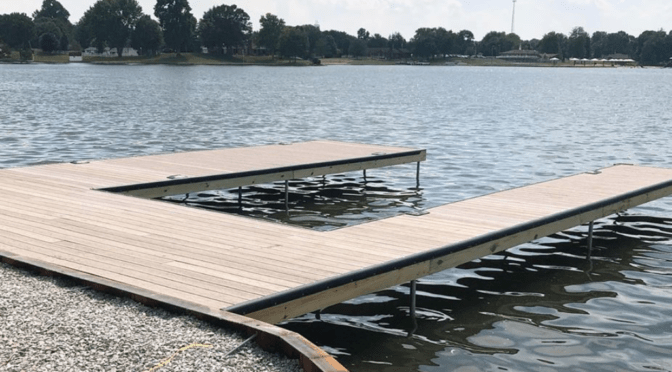
In contrast, stationary docks tend to be more rigid in layout. While you can certainly add on to a fixed dock, doing so often requires more intensive labor. However, for homeowners who value a solid, custom-built structure, stationary docks can be tailored with integrated seating, which is a nice value add.

Your Floating Dock vs Stationary Dock Investment

Regardless of which dock type you’re leaning toward, size is one of the biggest cost drivers. Square footage directly affects material costs, installation time, and future expansion potential. That’s why it’s critical to start with a clear vision for your space. Are you planning for a single fishing kayak or a pontoon party? Do you want your dock to be a simple launch point, or a multi-use platform for gathering, relaxing, or storing gear?

At Deaton’s Waterfront Services, we believe in offering fair, transparent pricing tailored to your needs. We know that no two waterfronts are alike. Whether you’re outfitting a quiet stretch of river or a busy lakeside property, our team will help guide you through the options to design a dock that makes sense for your location, lifestyle, and budget. We don’t just build docks—we build solutions that last.

Count On Deaton’s Waterfront Services to Get the Job Done Right!

At Deaton’s Waterfront Services, we always start with a free consultation. This is how we can assess your site’s unique needs—from water type to square footage and accessibility. Then our design team brings your vision to life using state-of-the-art technology, complete with 3D renderings and precise 2D layout drawings. You’ll be able to visualize exactly how your dock will look and function before any installation begins.

Once the design is finalized, we’ll deliver a detailed quote that outlines all components, materials, and services, including delivery and installation. Our goal is to eliminate surprises and make sure you feel confident moving forward.

Let’s create something that fits your waterfront perfectly and stands the test of time. Contact us today to start the design process and take the first step toward your ideal dock setup—no matter whether it’s a floating dock or stationary dock design!

How to Choose the Right EZ Dock Configuration for Your Needs

Choosing a docking system is a critical decision for any waterfront property owner. Not only is it a significant investment, but the right dock can also enhance your marine activities, be it boating, using personal watercraft, kayaking, or fishing. In this blog post, we will guide you through the process of choosing the right EZ Dock configuration to meet your specific needs. We’ll also highlight some of our standout products such as the EZ Kayak Launch, the EZ BoatPort, and the EZ Port.

EZ Dock configuration for fishing and boating.

EZ Dock Can Be Configured For Any Application

Boating: The Versatile EZ BoatPort

If you own a boat, you’ll want a docking system that is not just sturdy but also easy to use. The EZ BoatPort offers a seamless solution for boats weighing up to 5,000 pounds. With its modular design, you can add features like boat slides, guide rollers, and even a canopy for added protection. One of the best things about the EZ BoatPort is its adaptability—you can easily modify the configuration as your boating needs change over time.

Personal Watercraft: The Efficient EZ Port

Personal watercraft like jet skis require a different set of considerations. You’ll need a docking solution that allows you to quickly and safely get in and out of the water. The EZ Port is the go-to choice for such requirements. It comes with self-adjusting rollers that adapt to your watercraft’s shape, providing a snug fit. Moreover, its drive-on, push-off design makes it effortless to use, ensuring you spend more time enjoying the water and less time worrying about docking.

Kayaking: The Innovative EZ Kayak Launch

Kayaking is a popular activity that people of all ages enjoy. However, getting in and out of a kayak can be a bit of a challenge, especially for beginners or those with limited mobility. The EZ Kayak Launch solves this problem by offering a stable platform that allows for easy boarding and disembarking. It features a V-shaped entry with rollers that literally “guide” your kayak in and out of the water, making the entire process a breeze.

Fishing: Customizable Options for Anglers

If you’re an avid fisherman, you’ll likely need a dock with easy access to the water and options for storing fishing gear. While we don’t have a dedicated “fishing dock,” the modular design of our standard EZ Dock can easily be customized to suit your needs. Add a bench for comfort, install rod holders, or even attach a cleaning table for your catch of the day. The options are virtually limitless.

Conclusion

Choosing the right dock configuration is crucial for maximizing your enjoyment and use of your waterfront property. Whether you’re into boating, jet skiing, kayaking, or fishing, EZ Dock has a versatile range of products designed to meet your specific needs. With modular options like the EZ Kayak Launch for kayaking, the EZ BoatPort for boating, and the EZ Port for personal watercraft, you can tailor a docking system that perfectly aligns with your marine activities.

If you’re interested in exploring what EZ Dock can do for you, don’t hesitate to contact us. Our team is more than happy to help you design a docking solution that turns your waterfront dreams into reality.

How to Choose the Right PWC Port

If you’re a new personal watercraft (PWC) or waterfront property owner, nothing beats a fun day riding around the lake during the summer. While riding around the lake is a blast, pulling the jet ski out of water is a tedious chore that nobody wants to do if they don’t have to. Fortunately, there’s a solution to storing your PWC that will leave it high and dry, and out of corrosive water. The EZ Port! The EZ Port series by EZ Dock is the market leader in PWC ports due to it’s ease of use, protection, and durability.

Why You Need A Jet Ski Port

Owning a lift for your personal watercraft is essential to protecting the investment value because it keeps the PWC in the original condition that it was in as the day you bought it. By taking a jet ski out of water after each use, you eliminate the long term problems that are associated with leaving a jet ski in the water. Over time a jet ski will get hull damage by rubbing and banging up against a dock when the wind picks up and the weather worsens. Water will also fade paint on the hull over time due to the acidity in unpurified water minerals. While both of these are cosmetic damage that can lead to a big problem later, they will decrease the value of the jet ski and make it look old quick. People want to keep their PWC shiny and new, and have it last a long time. Water will also damage the internal parts of a jet ski, causing them to rust and gunk up quick if constantly submerged. So a quick way to make your jet ski look old and not run right is to leave it in the water.

A PWC lift or jet ski port will suspend your jet ski out of water, allowing it to be safely stored in a dry location. There are many models of jet ski port on the market including standard crank lifts, foam-filled polyethylene ports, or even wooden lifts but none compare to the EZ Port series. With plenty of adjustable rollers, getting in and out of the water with an EZ Port is as simple as rolling on and sliding off.

How EZ Port Compares to Competition

While the market is full of competing PWC lifts, none offer the durability and ease-of-use as EZ Dock. There’s still EZ Ports from 25+ years ago in the water today! The two most common PWC lifts are stationary and floating. A stationary lift will sit in the water in a fixed location and typically requires a wheel to crank the PWC in and out of the water. Instead of spending time cranking, EZ Port owners are able to use the built-in adjustable rollers to pull on and slide off. EZ Ports face much more competition when compared against floating PWC lifts. A floating PWC lift rises and lowers with the water level, perfect for bodies of water with a lot of fluctuation.

The competition to the EZ Port all lacks a key feature in one way or another. For example, most PWC lift manufacturers also fill their product with marine foam. A foam-filled PWC port will hold up for a couple of years, but after a while they will start to get warped and the plastic will bubble. Those bubbles will fill with water, causing the port to slowly start to sink. Another negative factor of foam is the harm to the environment caused when the beads start to leak. EZ Ports are all hollow and constructed out of durable polyethylene, meaning they will hold up for decades. Another advantage EZ Ports have when it comes to durability is the single unit one piece construction. Some competitors offer their set ups in modular cubes or sections that need to be coupled together. The problem with these designs is the pressure put on them by bending and conforming to the weight of the hull of a PWC. Over time the links will weaken and eventually snap leading to expensive repairs. EZ Port offers the user the most durable construction while being the easiest to use.

Picking the Right EZ Port for Your Lift

Much like there are different sizes and models of PWC, EZ Port offers three different lifts. The EZ Port MAX 2i, the current industry standard, is designed for larger three seat PWCs and features 12 adjustable rollers that can be shaped to match the hull of a PWC. For smaller 2 seat PWC, the EZ Port VXP is designed to accommodate any brand of shorter PWC with a weight limit of up to 1,300 lbs. The newest offering, the EZ Port 280, will be 80″ wide with an additional 10″ walk space compared to the MAX 2i. While the choice may be a little confusing, you can find out more about the different models here.

If you’re interested in an EZ Port, or have any questions regarding PWC lifts feel free to reach out to our team of experts. We’ll work with you to determine the PWC you own and the right lift that fits your needs. As always, you can also call to talk to your local EZ Dock dealer at (800) 654-8168.

The Best Dock for Hotels and Resorts

Have you ever been to the beach? It’s the spot most families on vacation like to travel to here in the winter time. People want to escape the snow and ice and go somewhere so warm that they forget the cold feeling. If you own a hotel or resort located on water, you can transform your waterfront into a hot spot destination with the right dock. With a dock on the water, your guests will be able to do several water activities: swim, boat, kayak, and of course you can always stop to admire the view!

Hotels & Resorts

Benefits of EZ Dock for Hotels and Resorts on the Water

A lot of hotels and resorts are located on the water, and several already have an EZ Dock system installed! EZ Dock is the perfect solution for hotels and resorts. With an incredible line of products that offers guests a way to enhance their favorite waterfront activities, EZ Dock can be shaped and configured into the ultimate set up that perfectly fits your needs. Here are a few of the benefits EZ Dock can bring your hotel. EZ Dock systems are:

  • Versatile: EZ Dock is a modular dock system, allowing you to design a dock to any shape or size you’d like. You can design a dock with multiple boat slips, a dock that just goes straight out, or a dock that looks like a traditional fishing pier. The best part? If you don’t like it, you can always shape it to something else. Designing a great dock for a hotel and resort is made easy with EZ Dock.
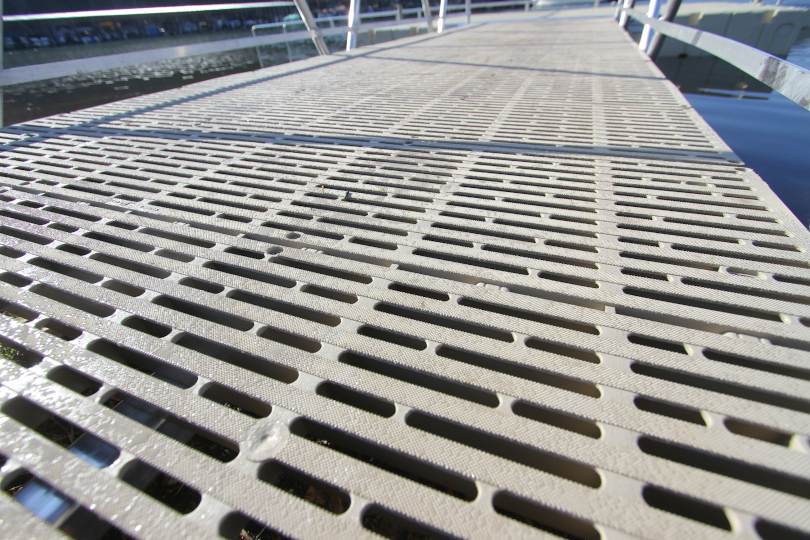
  • Safe: With a barefoot-friendly slip-resistant texture on the deck, guests will be able to run up and down the dock with no worries! The durable polyethylene material will never crack or splinter, and you’ll never have to worry about nails sticking out of the decking. Never worry about stepping on a hot deck and burning your feet due to the dock’s UV protection.
  • Low Maintenance: With EZ Dock’s safety comes durability. The construction of the section’s thick walls will prevent rotting, rusting, splintering. This means that yearly maintenance costs to maybe paint decking or replace anything that breaks will be nonexistent. This investment will pay itself off in the long run!

Dock Solutions for Hotels and Resorts

There are many ways to shape an EZ Dock to meet all of your needs. You can go with a L-Shape, T-Shape, I- or E-, whatever works best for the water you are located on. Our local dealers and team of experts will work with you to design the perfect solution for you and your guests to swim, boat, fish, walk, or anything else you can think of. Some solutions that we may suggest include:

  • Swim Platforms: Our floating swimming platforms are safe and accessible for all ages. They can be equipped with a water slide for even more fun! Give your guests a spot to rest a minute before they get back in the water for more fun!
  • PWC and Boat Rentals: A great source of extra income is to rent equipment for your guests to use while they enjoy their stay. Since they’re on the water and far from home, the chances of them owning a boat or jet ski is pretty low! Of course they’d like to be able to fully enjoy the experience, so a dock equipped with a few EZ Ports or BoatPorts will give them a chance to enjoy the water the way they want to.
  • Dock Accessories: In addition to giving your guests access to all the activities that are possible on the water, of course you’ll have a beautiful view that people would like to stop and enjoy. By equipping your dock with accessories such as benches with arm rests, swim ladders, and more, you’ll transform your dock from a place of activity to a cozy place to sit and relax.

More Information About EZ Hotel & Resort Docks

EZ Dock ensures the highest quality of safety with our dock sections. They are durable, stable, and offer slip-resistant grip. Your investment will be will protected, and will last nearly a lifetime. Hotels and resorts fall in love with EZ Dock when they see the weather it can handle, some systems have even held up in hurricanes! There will never be any worries about maintenance, you will not have to worry about repainting and maintenance schedules with EZ Dock. If you’re ready to improve your guests’ experience and waterfront property aesthetic – all while providing a strong return on investment, contact your nearest EZ Dock dealer today.

The Best Materials For Building A Boat Dock

Designing a boat dock can be intimidating with all the choices you need to make to get the perfect dock for you. The main goal is to design a dock that will last as long as possible that will also fit your needs. One of the biggest factors in deciding how long your dock will last before needing repaired of replaced is the material it is constructed out of. Today we’ll discuss the different materials used for building boat docks and the benefits of each one.

Different Types of Boat Dock Materials

Wood

Wood is one of the two most common materials used for boat docks. If you’re on a budget, wood is by far the cheapest option you will find to build your dock out of. A lot of major hardware stores and marine suppliers even sell dock kits for you to build your own wooden dock. These normally include all hardware needed to fasten and secure the dock, all that would be needed is the wood.

The major disadvantage to owning a wooden dock is it’s short lifetime and all the maintenance that comes with it. Water and wood don’t work well with each other, and over time wood will begin to rot and splinter after several years of being exposed to the water. Wood is treated with chemicals to help resist water absorption, but over time that protective layer will fade away. The average life time of a wood boat dock is between 10 and 15 years. The different types of wood can also increase the life of a dock if a timber such as cedar is used. Great upkeep and maintenance, such as replacing individual boards as needed, will increase the life of the dock. Wood is a good option for budgets, but won’t last as long as other materials.

Steel

The next most common material option for boat docks is steel. Steel is a heavy, durable material that can withstand heavier loads of pressure from waves and traffic than wood. The tensile strength of steel allows it to bend and turn then return to it’s original form. This makes steel a better dock material for community docks or areas with more boat traffic. It is the strongest material that you can make a dock out of. As expected, such superior strength comes with an increase in price.

There are also some disadvantages with steel. The biggest concern you’ll have with steel is rust. As with wood, steel over time will degrade when exposed to wet conditions. To combat this and expand the life of a dock we dip steel dock frames into a mixture of molten zinc to give it a protective layer against corrosion. This process is called hot-dipped galvanization. The average life time of a steel dock is around 50 years. Compared to wood, steel is a far superior option.

Aluminum

Another form of metal that is great for docks is Aluminum. It is a lightweight material that has nearly the same strength as steel. The greatest thing about aluminum compared to steel is the resistance to corrosion. Aluminum doesn’t lose its strength while in the water oxidizing, meaning it lasts considerably longer than steel and requires next to no maintenance. However, aluminum is more expensive than steel. The lifespan of aluminum is higher than steel, so you’re looking at around 65+ years of use with this material. If you’re looking for a durable, cool-to-the-touch, lightweight material then aluminum is the best option for you.

Polyethylene (EZ Dock)

A great material for the water that will never rot, splinter, or rust is plastic. Plastic, such as polyethylene, can be used to create durable, floating dock sections that will last longer than any of the materials listed above. It features the durability and longevity of aluminum, without the high price. In addition to its durability, EZ Dock sections also offer flexibility when it comes to design and budget. With EZ Dock, you’re able to expand, reconfigure, or remove sections of your dock with ease. No other material offers this flexibility in the design. You also won’t have to worry about decking and floats with EZ Dock, so it’s pretty budget friendly compared to the other options. Overall if you are looking for a dock with the least amount of headaches that will last the longest, then EZ Dock is your option.

If you’re interested in building a new boat dock, or have any questions regarding the materials discussed in this blog feel free to reach out to our team of experts for more information. We’ll make sure to understand all of your needs and come up with the perfect solution for you!